
Navigating the challenges of EV ownership. Discover the most common electric car problems, from battery degradation to charging hurdles, and learn how to mitigate them.
The transition to electric vehicles (EVs) is accelerating, heralded for their smooth acceleration, low operating costs, and environmental benefits. However, as with any pioneering technology, early and even current adopters face a unique set of challenges. While “range anxiety” dominates headlines, a deeper look reveals a broader spectrum of practical electric car problems that potential buyers and current owners should understand. This isn’t to disparage EV progress—it’s about setting realistic expectations and providing solutions. From long-term battery health and charging infrastructure quirks to software glitches and cold-weather quirks, being informed is the key to a satisfying ownership experience. This comprehensive guide moves beyond the marketing to explore the real-world issues, arming you with knowledge to navigate the EV landscape confidently.
Table of Contents
(a) Understanding the Core: Battery and Range Concerns
The battery pack is the heart—and the most expensive component—of any electric vehicle. It’s no surprise that many electric vehicle issues stem from this complex piece of technology. Concerns here aren’t just about “empty” versus “full”; they’re about long-term viability and real-world performance.

Battery Degradation and Longevity
All lithium-ion batteries degrade over time. It’s a chemical reality. The key question for EV owners is: at what rate?
- What is it? Battery degradation is the gradual loss of the battery’s ability to hold a full charge, reducing the vehicle’s maximum range. Most manufacturers warranty their batteries for 8 years or 100,000 miles, often guaranteeing 70-80% capacity retention.
- Primary Causes: The main culprits are frequent use of DC fast charging, which stresses the battery with high heat; consistently charging to 100% or draining to 0%; and exposure to extreme temperatures over long periods.
- Mitigation Strategies: The golden rules are simple: use Level 2 (240V) charging for daily needs, set your charge limit to 80-90% for daily use (utilizing 100% only for trips), avoid deep discharges, and park in temperate environments when possible. Modern EVs have sophisticated battery management systems (BMS) that actively cool or heat the pack to optimize its life.
Real-World Range vs. EPA Estimates
One of the most common EV ownership drawbacks is the discrepancy between the advertised EPA range and the miles you actually get. This isn’t deception; it’s a difference in testing conditions.
- The EPA Test Cycle: The official range is derived from a standardized laboratory test that includes city and highway driving simulations under moderate conditions.
- Real-World Factors That Reduce Range:
- Highway Speeds: Aerodynamic drag increases exponentially with speed. Driving at 75 mph can cut range by 20-30% compared to 65 mph.
- Climate Control: Running the heater is the single biggest drain, as EVs must create heat electrically rather than using engine waste heat. Air conditioning also has a significant impact.
- Weather: Cold weather is a triple threat: it increases rolling resistance, reduces battery chemical efficiency, and necessitates heater use. It’s common to see a 30-40% range reduction in freezing temperatures.
- Cargo and Terrain: Heavy loads and constant hill climbing demand more energy.
The High Cost of Battery Replacement
While rare, the prospect of a battery replacement is a significant concern. Out-of-warranty replacement costs can be staggering, often quoted between $5,000 and $20,000+, depending on the pack size. This is a critical consideration for used EV buyers. The market is responding with third-party refurbishment services and more granular module replacement options (replacing just a failed section rather than the whole pack), which can lower costs.
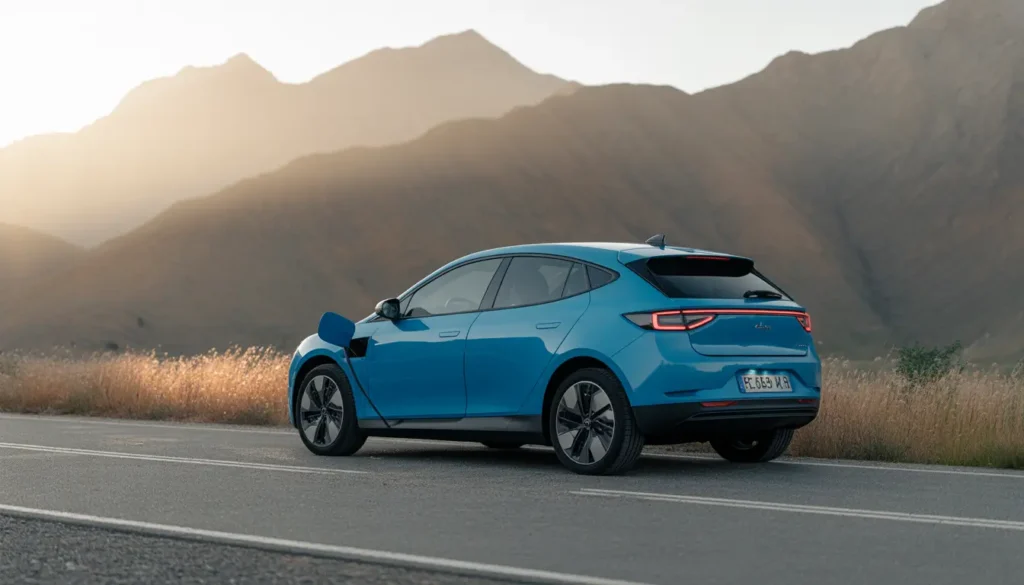
Charging Infrastructure: The Practical Hurdles
Even with a 300-mile range, you need to charge. Here, the problems with electric cars shift from the vehicle to the ecosystem surrounding it.
Public Charging Network Inconsistencies
The public charging experience can be a roll of the dice.
- Reliability: Finding a charging station is one thing; finding one that’s operational, not occupied by an ICE vehicle (“ICE-ing”), or not throttled due to heat is another. Network reliability varies greatly by operator and location.
- Fragmentation & Payment: Drivers often need multiple apps and accounts (ChargePoint, Electrify America, EVgo, etc.) to access different networks. While plug-and-charge technology (where the car handles authentication and payment) is growing, it’s not yet universal.
- Speed Claims vs. Reality: A station may be labeled 150 kW, but your car’s charge rate depends on its state of charge, battery temperature, and the station’s actual output. Sharing a power cabinet with another vehicle can also halve your speed.
The Home Charging Imperative
Owning an EV without reliable home charging is perhaps the biggest potential electric car problem. It transforms the experience from convenient “refueling at home” to a recurring chore.
- Installation Costs: Installing a Level 2 home charger can cost from $500 to $2,000+, depending on electrical panel upgrades and wiring distance.
- For Renters and Urban Dwellers: Those without dedicated parking face a significant barrier. While workplace and public charging can fill the gap, it lacks the convenience and cost savings of home electricity rates.
Technical and Mechanical Electric Vehicle Issues
EVs have far fewer moving parts than internal combustion engine (ICE) vehicles—no oil, spark plugs, or complex transmissions. But they are not maintenance-free and introduce new automotive tech challenges.
Tire Wear: The Silent Accelerator
EVs are notoriously heavy due to their battery packs, and they deliver instant torque. This combination leads to accelerated tire wear. Owners should expect to replace tires more frequently than on a comparable ICE vehicle, and should seek out EV-specific tires designed to handle the weight and torque while optimizing rolling resistance for range.
Regenerative Braking Quirks
While regen braking saves energy and reduces wear on physical brake pads, it can feel unusual to new drivers. The strong deceleration when lifting off the accelerator takes getting used to. Furthermore, in cold or wet conditions, regenerative braking may be temporarily reduced or disabled, altering the driving feel and requiring more use of the physical brake pedal.
Software Bugs and Glitches
Modern EVs are essentially computers on wheels. This brings the potential for software reliability issues.
- Infotainment System Crashes: Frozen touchscreens or unresponsive systems, while not affecting drivability, can be frustrating and disable climate and navigation controls.
- Firmware Updates: Over-the-air (OTA) updates are a double-edged sword. They can bring new features and bug fixes, but sometimes introduce new glitches. Updates can also occasionally “brick” a system, requiring a service visit.
- Sensor Malfunctions: Cameras and radar/lidar sensors for driver-assistance systems can be blinded by dirt, snow, or heavy rain, disabling features like adaptive cruise control or lane-keeping.
High-Voltage System Repairs
When something goes wrong outside the battery, repairs can be complex and costly. Fewer technicians are certified to work on high-voltage systems. A minor accident that damages battery shielding or cooling lines can lead to lengthy repairs and high costs, even if the battery itself is fine.
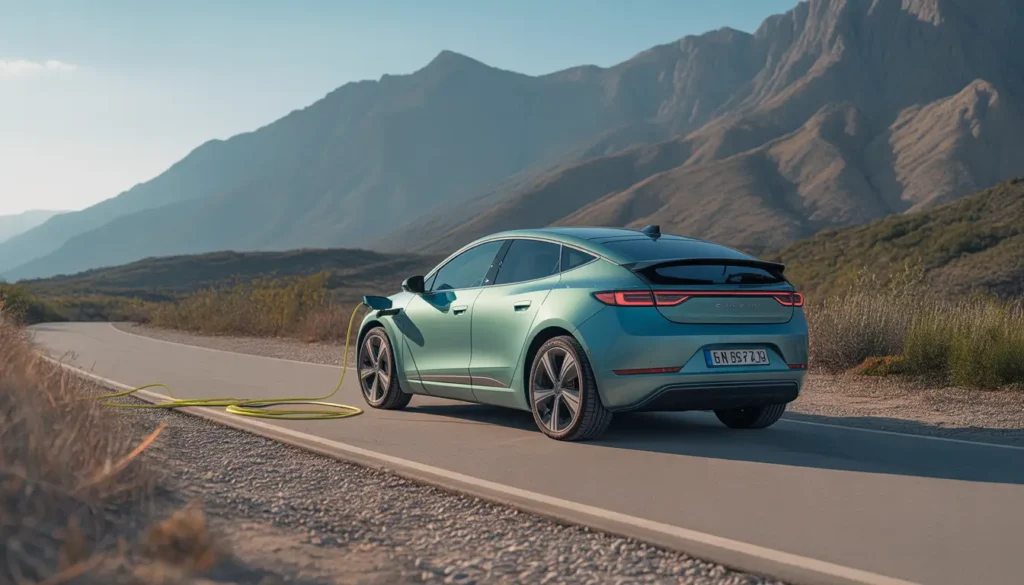
Environmental and Ownership Considerations
The EV ownership drawbacks extend beyond the immediate machine to broader contextual factors.
Cold Weather Performance
As mentioned, cold weather is an EV’s nemesis. Beyond range loss, owners may face:
- Reduced Charging Speed: Batteries must be at an optimal temperature to accept a fast charge. In the cold, the car must spend time and energy warming the battery before ramping up charge speed.
- Reduced Accessory Performance: To conserve range, some vehicles may automatically limit heater output or seat warmer levels.
Depreciation and Resale Value Uncertainty
The EV market is evolving rapidly. New models with better range and technology can make older models depreciate quickly. Furthermore, uncertainty about the long-term health of the battery in a used EV can suppress its resale value, though certified pre-owned programs with battery warranties are helping to alleviate this.
The Grid and Energy Source Debate
While EVs have zero tailpipe emissions, the “well-to-wheel” environmental impact depends on how the electricity is generated. In regions heavily reliant on coal, the benefits are diminished. Furthermore, widespread EV adoption raises questions about grid capacity, especially during peak charging times. This is less a car problem and more a societal infrastructure challenge.
Mitigation and Solutions: Navigating EV Ownership Smartly
Knowledge is power. Here’s how to minimize these electric car problems.
- Match the Car to Your Lifestyle: Be brutally honest about your daily driving needs and access to charging. Don’t buy a minimal-range EV if you can’t charge at home.
- Become a Battery Guru: Follow the 20-80% rule for daily charging, use scheduled charging to precondition the battery, and minimize fast charging use.
- Research Charging Networks: Before a trip, plan your route using apps like PlugShare (which includes user reviews on reliability) and A Better Routeplanner (ABRP).
- Invest in Home Charging: If at all possible, install a Level 2 charger. It is the single biggest upgrade to your EV ownership experience.
- Read the Manual: Understand your car’s unique features for cold weather, like scheduled departure charging (which heats the cabin and battery while still plugged in).
- Consider the Warranty: Pay close attention to the battery and powertrain warranty when purchasing, especially for used vehicles.
Frequently Asked Questions About Electric Car Problems
What is the most common problem with electric cars?
Currently, the most universal challenges are related to charging infrastructure reliability and cold-weather range reduction, rather than consistent mechanical failures. Issues like public charger availability, functionality, and the significant impact of cold climates on battery efficiency are the most frequently reported electric car problems by owners.
How long do electric car batteries really last?
Most EV batteries are designed to last the life of the vehicle—typically 15-20 years. Manufacturers typically warranty them for 8 years/100,000 miles with a capacity retention guarantee (e.g., 70%). With proper care (avoiding constant fast charging and extreme states of charge), data from older models suggests many batteries retain well over 80% capacity after a decade.
Are electric cars more expensive to maintain than gas cars?
No, generally they are less expensive for routine maintenance. EVs eliminate oil changes, spark plug replacements, fuel system maintenance, and many transmission services. Primary costs are tires (which wear faster), cabin air filters, brake fluid, and eventually, brake pad/rotor replacement (though these last longer due to regen braking). The potential for very high out-of-warranty battery repair costs is a long-term unknown.
What happens if my electric car runs out of charge on the road?
Similar to running out of gas, the vehicle will shut down. You will need to be towed to a charger. Many EVs provide ample low-range warnings and will navigate you to the nearest charger. Some services, like AAA, are now offering mobile rapid charging units that can give you enough range to reach a station.
Can electric car batteries be repaired, or must they be replaced entirely?
The industry is moving towards repairability. While early packs were often “sealed units,” many modern packs are designed with modules. If a fault is detected, specialists can often diagnose and replace a specific faulty module rather than the entire, extremely expensive battery pack, significantly reducing repair costs.
Conclusion: An Informed Journey is a Smooth Journey
Electric vehicles represent a profound and positive shift in automotive technology, but they are not without their unique set of electric vehicle issues. From the chemistry of battery degradation and the realities of climate-dependent range to the evolving and sometimes inconsistent charging landscape, prospective and current owners must educate themselves. The key to a happy EV ownership experience lies in understanding these challenges upfront. By acknowledging the problems with electric cars—such as accelerated tire wear, software complexity, and cold-weather quirks—you can take proactive steps to mitigate them. Proper home charging setup, intelligent battery care, and realistic trip planning transform these potential frustrations into manageable factors.
The EV landscape is improving rapidly. Battery technology is advancing, charging networks are expanding and becoming more reliable, and the secondary market for repairs is developing. By approaching EV ownership with eyes wide open to both its exceptional advantages and its current limitations, you position yourself to fully embrace the future of driving, without the unwelcome surprises. The journey is electrifying, and being prepared makes it all the more rewarding.