
Your car won’t start on a cold morning? Learn the common reasons, expert fixes, and prevention tips to get back on the road fast.
It’s a scenario every driver dreads: a frigid morning, you’re already running late, you turn the key, and… nothing. Or worse, a slow, labored cranking sound that dies out. A car wont start in cold weather is one of the most common winter headaches, but it’s rarely a random event. It’s a symptom caused by specific conditions that cold weather exacerbates. This comprehensive guide will not only explain the why behind your cold-weather starting woes but will give you the actionable knowledge to diagnose, fix, and, most importantly, prevent them in the future. Understanding the interplay between your battery, engine oil, fuel system, and ignition is the first step to becoming winter-ready.
Table of Contents
(a) The Cold, Hard Truth: Why Winter Stops Your Car
Cold weather isn’t just uncomfortable for you; it’s a brutal environment for your car’s mechanical and electrical systems. The chemistry and physics that allow your engine to start effortlessly in summer change dramatically when the mercury drops. Fundamentally, three things happen in the cold: your battery’s power output plummets, your engine oil thickens into a molasses-like consistency, and your engine requires a richer fuel mixture to ignite. When these factors combine with an already weakened component—like an aging battery—the result is a silent key turn or a disappointing click. This section breaks down the core scientific reasons a vehicle fails to start in winter, setting the stage for specific diagnostics.
The Chemistry of a Cold Battery
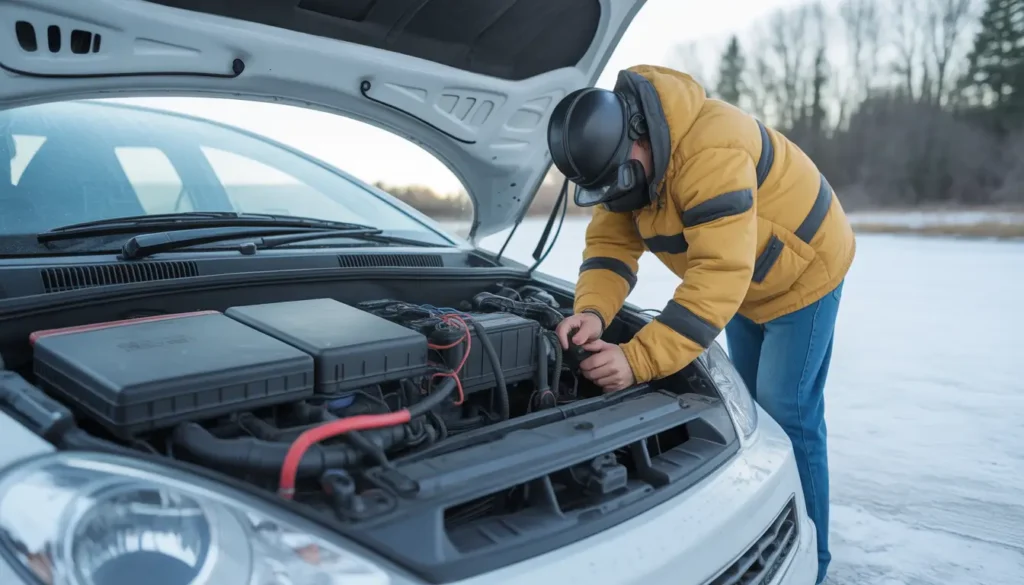
Your car’s 12-volt battery is the heart of the starting system, and cold is its kryptonite. Battery power is generated through an electrochemical reaction inside its cells. As temperatures fall, this chemical reaction slows down significantly, reducing the battery’s ability to produce current (amps). A fully charged battery might retain only 40-50% of its rated cranking amps at 0°F (-18°C) compared to its performance at 80°F (27°C). Simultaneously, the engine requires more power to turn over because the oil is thicker. This perfect storm—less available power and higher demand—often reveals a battery that was already on the fringe of its life. Terms like Cold Cranking Amps (CCA) exist for this reason; it’s the measure of a battery’s ability to start an engine in cold temperatures, and it’s the most critical spec for winter climates.
Engine Oil Viscosity: From Fluid to Glue
Think of your engine oil as the lifeblood of your engine’s internal components. Modern oils are rated with a viscosity grade like 5W-30. The “W” stands for winter, indicating its flow characteristics in the cold. However, even a well-rated oil thickens as temperatures drop. When you start your engine, the starter motor must force the crankshaft to rotate, which in turn moves all the pistons through cylinders coated in this thickened oil. If the oil is too thick (or if you’re using the wrong grade), the starter motor faces immense resistance, drawing a tremendous amount of power from that already weakened battery. This is why using the manufacturer-recommended oil viscosity is crucial for reliable cold weather engine starting.
Fuel and Ignition System Challenges
Internal combustion engines rely on a precise mix of atomized fuel and a hot spark. Cold air is denser than warm air, which can throw off the air-fuel mixture. While modern fuel-injected cars use sensors to compensate, the system isn’t infallible. Excess moisture in the fuel system can freeze, causing fuel line freeze-up or icing in the throttle body. Furthermore, in severe cold, fuel (especially diesel) can actually “gel.” On the ignition side, old or fouled spark plugs require more voltage to create a spark, a demand that a struggling electrical system may not be able to meet. These factors often explain why an engine might crank but not fire up—a key distinction in diagnosis.
Diagnosing the Problem: What’s Happening When You Turn the Key?
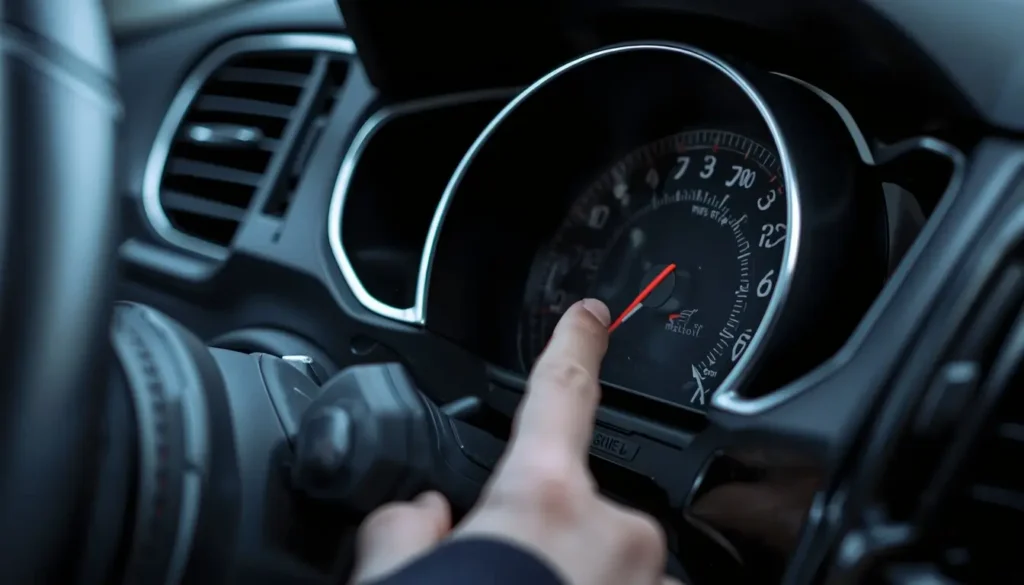
Before you call for a tow, a quick diagnostic listen can tell you a lot. The sounds your car makes (or doesn’t make) when you turn the key are critical clues. This section will help you play detective and narrow down the likely culprit, saving you time and money. Pay close attention to the dashboard lights as well.
The Dreaded “Click” or Single “Clunk”
You turn the key to “start,” and all you hear is a loud, solitary click or clunk from the engine bay. The dashboard lights may dim dramatically. This is a classic sign of insufficient battery power. The click is the sound of the starter solenoid engaging, but there isn’t enough amperage from the battery to spin the starter motor itself. The root cause is almost always a discharged or dead battery, caused by the cold sapping its strength, an underlying parasitic drain, or simply an old battery that can no longer hold a charge. Corroded or loose battery terminals can also cause this symptom by preventing good electrical contact.
Slow, Labored Cranking
This is the most common symptom when a car wont start in cold. The engine turns over (“cranks”) but very slowly, like it’s dragging itself through mud. It may crank a few times and then stop, or it may continue slowly without ever firing. This points directly to the battery-and-oil dynamic discussed earlier. The battery is weak but not completely dead, and it’s struggling against the thickened engine oil. While the battery is the prime suspect, an aging starter motor that’s drawing too much current can also contribute to this issue.
Fast Cranking But No Ignition
If the engine spins over at a normal or even fast speed but doesn’t “catch” and roar to life, your starting system (battery, starter) is likely okay. The problem lies in getting fuel or spark into the engine. Potential causes include a failed fuel pump, a clogged fuel filter, frozen fuel lines, severely fouled spark plugs, or a critical sensor failure (like the crankshaft position sensor). In extremely cold weather, this can also indicate that the fuel in the lines has vaporized or gelled.
No Sound, No Lights: Complete Electrical Silence
You insert the key, turn it, and absolutely nothing happens. No dash lights, no dome light, no click. This points to a complete break in the main electrical circuit. Check the most basic items first: Is the battery so dead it can’t power even the lights? Are the battery terminals horrifically corroded or disconnected? This could also indicate a failed ignition switch or a blown main fuse. Start with the battery connections.
Proven Fixes to Get You Started Today
Once you’ve diagnosed the likely issue, it’s time for action. Here are the step-by-step solutions, from quick jumps to more involved procedures. Always prioritize safety.
The Jump-Start: A Temporary Resurrection
If the problem is a dead battery, a jump-start is your first line of defense. You’ll need jumper cables and a donor vehicle (or a portable jump starter pack).
- Park the donor car close, but not touching. Turn both cars off.
- Connect RED clamp to the DEAD battery’s positive (+) terminal.
- Connect the other RED clamp to the GOOD battery’s positive (+) terminal.
- Connect BLACK clamp to the GOOD battery’s negative (-) terminal.
- Connect the final BLACK clamp to an unpainted metal bolt or bracket on the dead car’s engine block (a “ground”), NOT to the dead battery’s negative terminal.
- Start the donor car, let it run for a few minutes.
- Attempt to start the dead car. If it starts, carefully disconnect cables in the reverse order.
Crucial Note: A successful jump-start confirms a battery issue, but the battery may need replacement. Drive for at least 30 minutes to recharge it.
Battery Care, Testing, and Replacement
After a jump-start, get your battery tested for free at any auto parts store. They will measure its voltage and its ability to hold a charge under load (a “load test”). If it fails, replacement is necessary. When choosing a new battery, prioritize the Cold Cranking Amps (CCA) rating. Select one that meets or exceeds your vehicle manufacturer’s recommendation. For winter climates, more CCAs are better. Also, clean any corrosion from the terminals with a wire brush and a baking soda/water solution, and ensure connections are tight.
Addressing Fuel Issues: Additives and Treatments
If you suspect fuel-related problems, a quality fuel additive can be a savior. Look for products labeled as “fuel line antifreeze” or “gasoline antifreeze.” These are primarily alcohols (like methanol or isopropanol) that absorb moisture in the fuel system and lower the freezing point of any water present, preventing ice blockages. For diesel owners, anti-gel additives are essential in winter. Pour the recommended amount into your fuel tank before filling up to ensure good mixing. Using a top-tier detergent gasoline year-round can also prevent moisture buildup.
The Role of a Block Heater or Battery Warmer
In extreme climates, proactive heating is the ultimate solution. An engine block heater is an electric heating element installed in your engine block that you plug into an outlet. It keeps the engine coolant (and thus the engine metal and oil) warm, dramatically reducing startup strain. A battery warmer or thermal wrap does the same for your battery, preserving its chemical power output. Using these accessories overnight guarantees dramatically easier starts and reduces engine wear.
Long-Term Prevention: Winterizing Your Vehicle
Proactive maintenance is the key to avoiding the panic of a non-start. A fall winter car preparation ritual is essential for drivers in cold regions.
Pre-Winter Battery and Electrical Check
As part of your fall maintenance, have your battery and charging system (alternator) professionally tested. Replace any battery over 4-5 years old as a preventative measure. Ensure all battery connections are clean, tight, and corrosion-free. A battery maintainer/trickle charger can be plugged in if the car sits for extended periods, keeping the battery at 100% charge.
Engine Oil and Fluid Recommendations
Switch to the lowest viscosity engine oil recommended in your owner’s manual for winter (e.g., 0W-20 or 5W-30 instead of 10W-30). This ensures better cold-weather flow. Also, ensure your cooling system has a proper 50/50 mix of antifreeze and water to prevent freezing. Use winter-grade windshield washer fluid.
Fuel System Best Practices
Keep your gas tank at least half full during winter. This reduces the air space in the tank where condensation can form, which introduces water into your fuel system. As mentioned, using a quality fuel additive monthly during winter is excellent preventative medicine.
The Importance of a Healthy Charging System
Your alternator is what recharges the battery after it’s depleted from starting. A weak alternator will leave the battery in a perpetually undercharged state, making it vulnerable to the next cold snap. If your battery is constantly dying, have the alternator’s output checked.
FAQ: Your Cold-Start Questions Answered
### What is the most common reason a car won’t start in the cold?
The overwhelming majority of cold weather no-start situations are caused by a weak or dead car battery. The cold saps its power just when the engine needs more power to start.
### Can cold weather permanently kill a battery?
Yes. A severely discharged battery can freeze. When the electrolyte inside a battery freezes, it can expand and permanently damage the internal plates, rendering the battery useless and requiring replacement.
### How often should I start my car in cold weather to keep the battery charged?
Idling your car for short periods (like 10-15 minutes) is actually inefficient and can do more harm than good, as it doesn’t allow the battery to fully recharge. It’s better to drive the vehicle for at least 20-30 minutes to allow the alternator to properly replenish the battery charge.
### Why does my car start with a jump but dies later?
This typically indicates your battery is no longer capable of holding a charge (it’s “dead”) or your alternator is failing and not recharging the battery while you drive. A jump provides temporary power, but without a functioning charging system, the car will run only until the borrowed charge is depleted.
### Are portable jump starters worth it for winter?
Absolutely. A compact, lithium-ion portable jump starter is one of the best winter investments you can make. It allows you to jump-start your car without another vehicle, providing peace of mind and convenience. Many also include USB charging ports and flashlights.
Conclusion: Embrace Winter with Confidence
Dealing with a car wont start in cold weather is a frustrating rite of passage for many, but it doesn’t have to be an annual tradition. By understanding the science—how cold cripples your battery, thickens your oil, and challenges your fuel system—you move from being a victim of the weather to being an informed vehicle owner. The solution lies in a combination of accurate diagnosis, knowing the right immediate fixes like safe jump-starting, and, most critically, committed preventative maintenance. A pre-winter check of your battery, fluids, and charging system, coupled with smart habits like keeping your tank half full, will fortify your vehicle against the chill. Invest in the right tools, like a quality jump starter or a block heater for extreme climates, and you can face even the coldest mornings with the confidence that your car will start reliably. Stay proactive, stay prepared, and keep winter’s challenges where they belong—outside your vehicle.